Testimonials
Protect your family with a Personal Risk Plan
A personal Insurance Plan provides peace of mind in case of an unforeseen event. It provides a financial benefit in the event of serious injury, illness or death.
Trauma cover
Trauma Insurance provides a lump sum benefit in the event you are diagnosed with a serious medical condition such as cancer, heart attack or stroke.
Health Insurance & Cancer Care
Health Insurance covers the costs for specialists, tests and surgical cover in a private hospital.
Cancer care can be added on separately to cover the entire cost of cancer treatment in a private hospital.

Mortgage & Income Protection
Mortgage & Income Protection Insurance is an Insurance policy designed to pay off your mortgage or cover your day to day bills on a monthly basis in the event you are unable to work due to illness or injury. We can calculate enough funds to repay the loan repayments, rates and insurances and expenses monthly based on what you earn.
Permanent Disability cover
Total & Permanent Disability covers sickness or injury if a person is unable to work permanently in their own or any occupation for which they are suited by training, education, or experience.
Life Insurance
Life Insurance is a lump sum benefit that pays out to the surviving family, funds to cover such things as remaining mortgage and funeral costs. This provides your family or spouse peace of mind knowing they can move on financially after loosing a loved one.
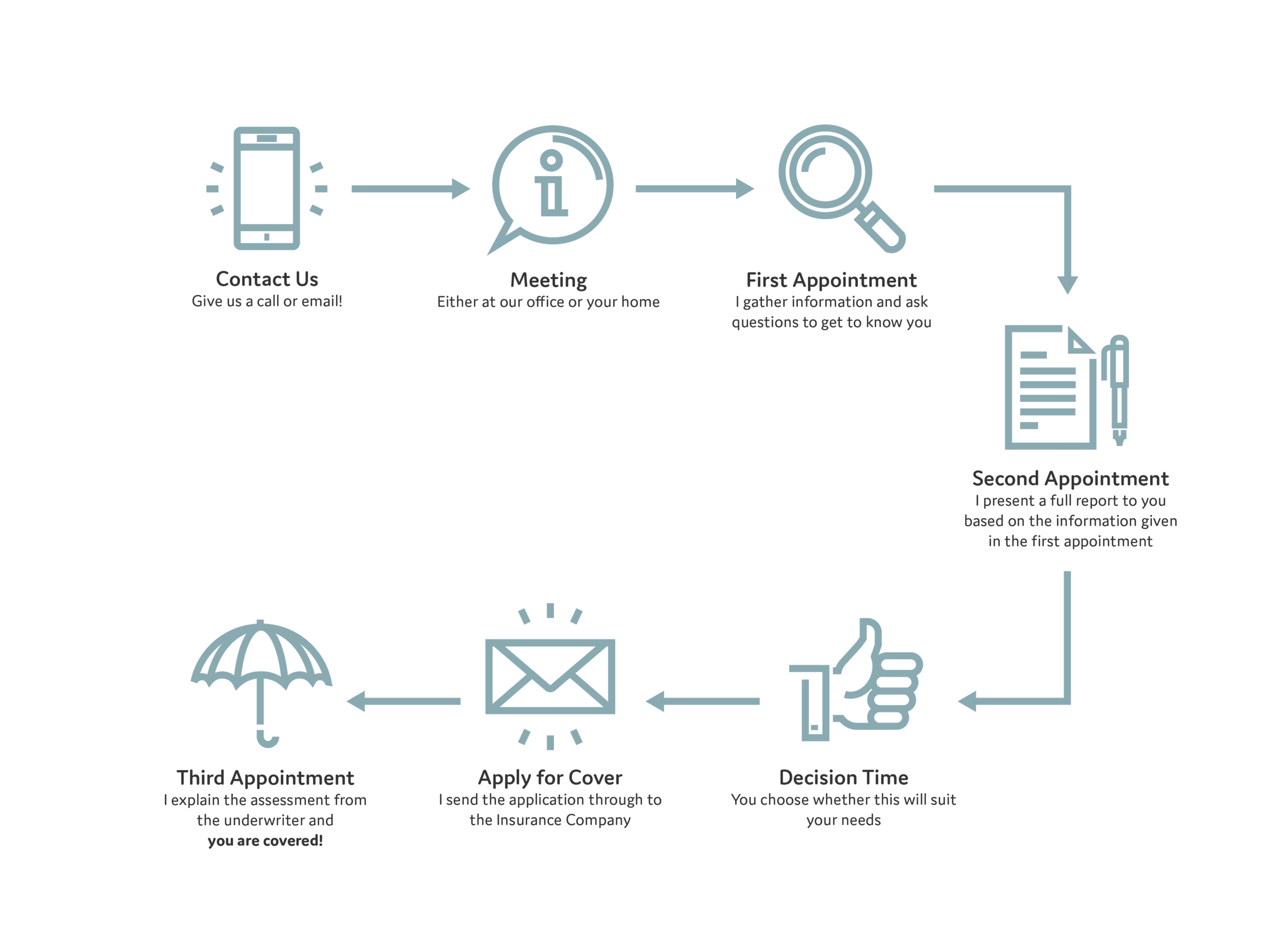
The Process of Personal Cover
Annette makes sure the decision making and process is as painless as possible. She takes care of all the hard work and so you don't have to.
Questions and Answers
1.What is life insurance?
Life insurance pays a lump sum to your beneficiaries if you die or are diagnosed with a terminal illness, subject to your policy terms. It can help your loved ones cover household expenses, debts, funeral costs, and future financial needs.
2. What does health insurance cover?
Health insurance can help pay for eligible private medical treatment, such as specialist consultations, diagnostic tests, surgery, and hospital care. Cover varies between policies, so it is important to review exclusions, waiting periods and benefit limits.
3. What is income protection insurance?
Income protection insurance provides regular monthly payments if an illness or injury leaves you unable to work. Payments are usually based on a percentage of your income and may continue for a set period, subject to the policy's waiting period and conditions.
4. How much insurance cover do I need?
The right amount depends on your income, debts, living costs, dependants, and long-term goals. A personalised assessment can help you choose cover that protects what matters without paying for insurance you may not need.
5. When is the best time to arrange insurance?
It is usually best to consider insurance while you are healthy and earning an income, as your age, health and occupation can affect availability and premiums. It is also worth reviewing your cover after major life changes, such as buying a home, getting married, having children, or changing jobs.
6. I already have insurance through my employer or KiwiSaver; do I still need separate life cover?
Employer-sponsored insurance or KiwiSaver benefits may provide a level of financial protection; however, the cover amount could be sufficient to meet your family's long-term financial needs. It is important to understand the level of cover provided, any eligibility criteria that apply, and whether the cover will remain in place if you change employers. Personal life insurance can offer a more tailored solution, while considering your existing arrangements to design a plan to match your individual circumstance.
7. Will a pre-existing medical condition prevent me from getting health or life insurance?
Not necessarily. The insurer will assess your medical history through a process called underwriting. Depending on the condition, it may offer standard cover, charge an additional premium, exclude claims relating to that condition, postpone the application or decline cover. You should disclose all requested medical information accurately, as incomplete disclosure may affect a future claim.
8. What is the difference between an excess, a stand-down period, and a waiting period?
An excess is the amount you contribute toward an eligible health insurance claim. A stand-down period is an initial period during which certain conditions or benefits may not be covered. For income protection, a waiting period is the time you must remain disabled before benefit payments can begin. These terms can materially affect both premiums and claim payments.
9. How is my income protection benefit calculated, and will other income reduce my payments?
The maximum benefit is generally based on a percentage of your eligible pre-disability income, subject to the insurer's limits and policy wording. Under an indemnity-style policy, your benefit may be adjusted to reflect your income at claim time and payments from other sources. An agreed- value policy, where available, may calculate benefits differently. Tax treatment can also vary, so professional tax advice may be appropriate.
10. How long will it take to apply for cover?
Each application is treated differently, depending on your personal situation and underwriting requirements. The assessment time can range from 1 day upwards. I will keep you updated as your application progresses.
#lifeinsurance
#health insurance
#incomeprotection